Waiting. It's a universal human experience, a state of suspended animation pregnant with anticipation, dread, or quiet reflection. But in the hands of a skilled filmmaker, waiting transcends mere narrative punctuation. It becomes a crucible, a stage where the most profound Philosophical & Existential Dimensions of Waiting in Film are laid bare, shaping meaning, character, and our understanding of the human condition itself.
Cinema, at its most potent, doesn't just show us characters waiting; it immerses us in the experience of waiting, forcing us to confront the same anxieties, absurdities, and moments of self-revelation that define the on-screen experience.
At a Glance: What Waiting Reveals in Film
- Waiting is Rarely Passive: It’s often an active struggle with meaning, choice, and identity.
- Existential Themes Explored: Absurdity, freedom, alienation, and authenticity are magnified through periods of delay.
- A Mirror to Life: Film uses waiting to reflect the universal human quest for purpose in an indifferent world.
- Director's Toolkit: Visuals, sound, and narrative structure are all employed to evoke and deepen the waiting experience.
- Beyond Plot: Understanding cinematic waiting offers deeper insights into philosophical questions.
Beyond Impatience: The Weight of Cinematic Waiting
We've all been there: staring at a clock, pacing a room, or just holding our breath for what comes next. On screen, these moments might seem simple, a brief pause before the action. Yet, a deeper look reveals that waiting is rarely just waiting. It’s often a charged space where characters grapple with their own existence, making choices that define them, or confronting the unsettling truth that some things are simply beyond their control. This is where the rich tapestry of existential thought — born from thinkers like Kierkegaard, Nietzsche, Sartre, and Camus — finds its most vivid expression in cinema.
Existentialism, at its heart, is about individual freedom, responsibility, and the search for meaning in a world that offers none inherently. When a character waits, they are placed in a stark, often isolated position where these very questions come to the forefront. The screen becomes a canvas for the "horror of being," as the ground truth suggests, where existence itself is scrutinized.
Existentialism's Shadow: Why Waiting Matters Philosophically
The philosophical movement of existentialism, which gained significant traction post-World War II, profoundly influenced filmmakers seeking to explore the depths of human experience. Waiting, in this context, isn't a plot device; it's a direct conduit to core existential themes:
The Absurdity of the Unending Wait
Imagine waiting for something that may never arrive, or for an event whose significance continually eludes you. This is the essence of absurdity, the conflict between humanity's desperate desire for meaning and the universe's crushing indifference. Films often depict this through narratives that defy logical progression, mirroring the experience of Samuel Beckett's "Waiting for Godot," a play famously devoid of a conclusive arrival.
When characters wait in films like Albert Camus's "The Stranger" (or its cinematic interpretations), their prolonged state of anticipation highlights the futility of seeking inherent purpose. The wait itself becomes a demonstration of life's lack of inherent meaning, compelling characters (and viewers) to either create their own purpose or succumb to nihilism. It's a powerful tool for showing us that sometimes, the answer isn't "yes" or "no," but a deafening silence.
Freedom, Choice, and the Burden of the Interim
Waiting isn't passive; it's an active space of being. During this interim, characters are constantly making choices, however small, about how they engage with their suspension. This directly taps into the existentialist emphasis on individual freedom and responsibility.
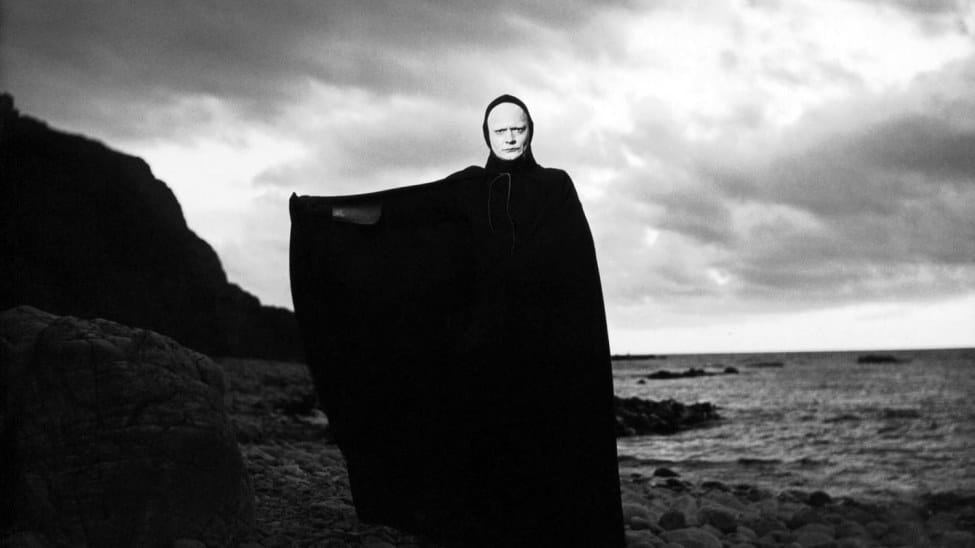
Consider the characters in Jean-Luc Godard's "Breathless" or Ingmar Bergman's "The Seventh Seal." While not solely about waiting, moments of pause in these films force protagonists to confront choices about their next move, their identity, or even their fate. The decisions made (or avoided) while waiting are not just practical; they are existential declarations. Do you rebel against the imposed wait, or do you internalize it? Do you forge a new path, or succumb to inertia? The wait exposes the true weight of one's freedom.
Alienation, Isolation, and the Solitary Vigil
Waiting often strips away external distractions, leaving characters alone with their thoughts, anxieties, and the sheer emptiness of time. This physical and psychological isolation powerfully visualizes the existential theme of alienation—the disconnection from society, from others, and sometimes even from oneself.
Michelangelo Antonioni's "alienation trilogy" ("L'Avventura," "La Notte," "L'Eclisse") masterfully uses desolate landscapes and minimalist settings to amplify this feeling. Characters wait for answers, for connection, for a missing person, but often find only an echoing void that reflects their internal state. Their waiting isn't for external resolution; it's for an internal one that never quite comes, solidifying their profound isolation.
Authenticity and Identity: What the Wait Reveals
The long stretches of waiting can be a crucible for self-discovery. When stripped of distractions and external validations, characters are forced to confront who they truly are, what they truly value, and whether they are living authentically.
Akira Kurosawa's "Ikiru" presents a man waiting for his impending death, which ignites a desperate quest for meaning in his remaining time. His waiting period transforms him, forcing him to shed societal expectations and live authentically, however briefly. Similarly, Federico Fellini's "8½" features a filmmaker waiting for inspiration, a wait that becomes a chaotic, dreamlike journey into his own identity and past. The "waiting" isn't for an external signal; it's for an internal truth to emerge.
The Cinematic Canvas of Delay: Iconic Examples
Directors leverage specific narratives and visual techniques to bring these philosophical ideas to life.
The Wait for the Inevitable: Confronting Mortality
In Ingmar Bergman's "The Seventh Seal," the knight Antonius Block plays chess with Death itself. This entire film is a protracted wait for the inevitable, a philosophical interrogation of faith, mortality, and meaning in the face of absolute finality. Block’s actions, his conversations, and his desperate search for a single act of meaning are all performed within the framework of this ultimate wait. The stark, introspective narratives and visuals amplify the weight of his philosophical struggle.
This concept extends to any film where characters are waiting for a fated event—an apocalypse, a judgment, or a personal reckoning. The wait becomes a period of intense introspection, forcing characters to define themselves against an unyielding destiny.
The Wait for a Better World: Scarcity and Solidarity
A searing contemporary example of existential waiting is the Spanish sci-fi thriller, "El Hoyo" (The Platform, 2019). This film presents a brutal allegory for human existence, trapped in a vertical prison where food descends on a platform, only available to those on higher levels first. The entire premise revolves around a collective wait for sustenance, and more profoundly, a wait for solidarity and a breakdown of inherent human selfishness.
The protagonist confronts the absurdity of survival in a system designed for scarcity and violence. His waiting is not passive; it is a constant, agonizing engagement with the "horror of being"—the raw, primal terror of existing under oppressive conditions. "El Hoyo" compels viewers to consider Dostoevsky's and Sartre's ideas about individual responsibility within societal structures, arguing that our existence is inseparable from this horror, from the moment of birth. It’s a powerful illustration of how waiting can expose the very foundations of human nature.
The Endless, Absurdist Wait: When Nothing Happens
While more theater than film, Beckett's "Waiting for Godot" remains a seminal text for understanding cinematic absurdity, and its themes echo through many films. It's a play where two tramps wait endlessly for someone named Godot who never arrives. The genius lies in the nothingness of the wait, forcing the characters to fill the void with philosophical banter, meaningless routines, and despair.
Films that channel this spirit often feature cyclical narratives, anti-climactic endings, or situations where characters are stuck in a loop of expectation and disappointment. The audience, too, is invited to experience the frustration, the existential ennui, and the eventual dawning realization that the meaning of the wait might simply be the wait itself.
The Wait for Self-Definition: Modern Meditations
Contemporary directors continue to push the boundaries of cinematic waiting. Charlie Kaufman, known for exploring identity, memory, and life's absurdity, often places his characters in a state of existential limbo. In films like "Eternal Sunshine of the Spotless Mind" or "Synecdoche, New York," characters aren't just waiting for external events; they are waiting for themselves to cohere, for memories to make sense, or for a sense of purpose to emerge from surreal narratives. Their wait is an internal struggle, a profound journey of self-discovery or, often, self-dissolution.
Similarly, Terrence Malick's "The Tree of Life" and Lars von Trier's "Melancholia" engage with humanity's relationship with the universe, time, and despair through extended periods of contemplation and anticipation. The poetic imagery and provocative narratives immerse us in the characters' inner waits for resolution, understanding, or simply, an end to their existential torment.
The Director's Lens: Crafting Existential Waiting
How do filmmakers translate these complex philosophical dimensions into a tangible cinematic experience? It's not just about showing someone sitting still; it's about the deliberate manipulation of every element on screen.
Visual Language: Emphasizing the Void
Directors often employ specific visual strategies to underscore the existential nature of waiting:
- Desolate Landscapes & Minimalist Settings: As seen in Antonioni's work, wide shots of empty rooms or barren landscapes emphasize the character's isolation and the vastness of the wait. The environment itself becomes an extension of their internal void.
- Long Takes & Static Shots: By holding a shot for an extended period, perhaps on a character's unchanging face or an empty space, filmmakers force the audience to feel the passage of time and the stasis of the wait. This can be unsettling, creating a shared sense of existential ennui.
- Contrasting Environments: A character waiting in a bustling crowd can paradoxically feel even more isolated, highlighting their internal disconnect from the external world.
Sound Design: Amplifying Silence and Anticipation
The soundscape of a waiting scene is crucial:
- Silence: Often more powerful than noise, silence can amplify a character's internal monologue, their anxieties, or the crushing weight of emptiness.
- Ambient Noise: The ticking of a clock, distant traffic, or the subtle sounds of an empty room can heighten the sense of time passing slowly, or the oppressive quiet of isolation.
- Oppressive Scores: A minimalist, discordant, or melancholic score can underscore the despair, dread, or philosophical weight of the waiting period without needing dialogue.
Narrative Structure: Mirroring the Absurd
Beyond just visual and audio cues, the very structure of the film can reflect the philosophical dimensions of waiting:
- Non-Linear Storytelling: Jumps in time or fractured narratives can mimic the disorienting feeling of waiting, where past and future merge into an uncertain present.
- Circular Plots: Stories that end where they begin, or seem to be stuck in a loop, evoke the futility and absurdity of an endless wait, much like Beckett's Godot.
- Anti-Climaxes: When the anticipated event finally arrives, but is mundane, meaningless, or simply fails to resolve anything, it powerfully communicates the absurdity of the expectation.
Character Interiority: The Face of Angst
Ultimately, the emotional and philosophical weight of waiting often rests on the shoulders of the performer. Directors prioritize:
- Subtle Gestures & Micro-expressions: A twitch of an eye, a clenched jaw, a slight shift in posture can convey volumes about a character's internal struggle, their anxieties, or their quiet desperation during a prolonged wait.
- Focus on the Mundane: Often, characters perform routine, everyday actions while waiting, which ironically highlights the profundity of their internal conflict against the backdrop of ordinary life.
- Minimalist Dialogue: When dialogue is sparse, the weight of the silence and the unspoken thoughts amplifies the existential questions being wrestled with.
More Than Just Plot: Practical Takeaways for the Engaged Viewer
Understanding the philosophical dimensions of waiting in film isn't just an academic exercise; it enriches your viewing experience and provides a lens through which to analyze the deeper currents of human experience, both on and off screen.
Here’s how to "read" waiting in film more deeply:
- Look Beyond the Literal: What is the character truly waiting for? Is it merely an external event, or is it an internal resolution, a revelation, or a confrontation with their own self? The "thing" they wait for is often a metaphor.
- Examine the Choices Made in the Interim: Even in stasis, characters make choices—to hope, despair, act, or withdraw. These choices illuminate their freedom and responsibility. How does the character use their freedom during the wait?
- Analyze the Aesthetic: How do the visuals (composition, color, lighting), sound (silence, music, ambient noise), and narrative pacing contribute to the feeling of the wait? Is it oppressive, serene, hopeful, or absurd?
- Consider the Outcome of the Wait: If the awaited event arrives, is it satisfying? Does it resolve anything? What if it doesn't arrive, or arrives in a way that’s completely unexpected or meaningless? The outcome often reinforces the film's philosophical stance on life's inherent meaning (or lack thereof).
- Connect to Your Own Experience: How does the film's depiction of waiting resonate with moments in your own life? What does it reveal about your own anxieties, hopes, or confrontations with the unknown?
By engaging with these dimensions, you move beyond simply observing a story and begin to participate in a profound meditation on existence itself. The wait in film becomes a mirror, reflecting our own human quest for purpose in an indifferent cosmos, compelling us to confront the "horror of being" and, perhaps, find our own meaning within it.
The Enduring Echo of the Human Condition
Waiting, in cinema, is never a passive act. It's a loaded silence, a fertile void where characters (and by extension, the audience) are forced to grapple with the most fundamental questions of existence. From the agonizing anticipation of Bergman's Death to the desperate plea for solidarity in El Hoyo, filmmakers continually use this seemingly simple state to explore the depths of human freedom, the burden of choice, the pain of alienation, and the relentless search for authenticity.
These films don't just tell stories about waiting; they are stories about existence itself—raw, unfiltered, and deeply resonant. They remind us that the pauses, the uncertainties, and the unfulfilled expectations are as vital to our understanding of life as the climactic moments. So next time you find yourself immersed in a film where characters are waiting, remember to look beyond the surface. You might just find a profound philosophical truth staring back at you.
If you're eager to delve deeper into films that masterfully depict characters in various states of delay, you can always Explore movies about waiting. The cinematic landscape is rich with narratives that turn the simple act of anticipation into a profound philosophical journey.